Honeycomb board is often described as lightweight, recyclable, or cost-effective. But those labels only tell part of the story.
In transport packaging, construction support and internal load management, honeycomb board performs best when it’s treated as an engineered material, not a commodity. The difference between acceptable performance and consistent, repeatable outcomes often comes down to one thing: where and how it’s made.
For businesses moving valuable, heavy, or fragile goods, locally Australian manufactured honeycomb board delivers measurable advantages from design through to delivery.
Honeycomb Board Is a Performance Material, Not Just Packaging
Honeycomb board is engineered to manage load, shock and movement. Its strength-to-weight ratio, compression resistance and shock-absorbing structure make it highly effective across:
- Transport packaging
- Internal crate supports and inserts
- Void filling and load restraint
- Pallet bases and feet
- Structural reinforcement and formwork applications
But performance isn’t defined by the material alone. It’s defined by how accurately that material is designed, specified and produced.
This is where local manufacturing becomes a genuine operational advantage.
Design Decisions That Directly Affect Real-World Outcomes
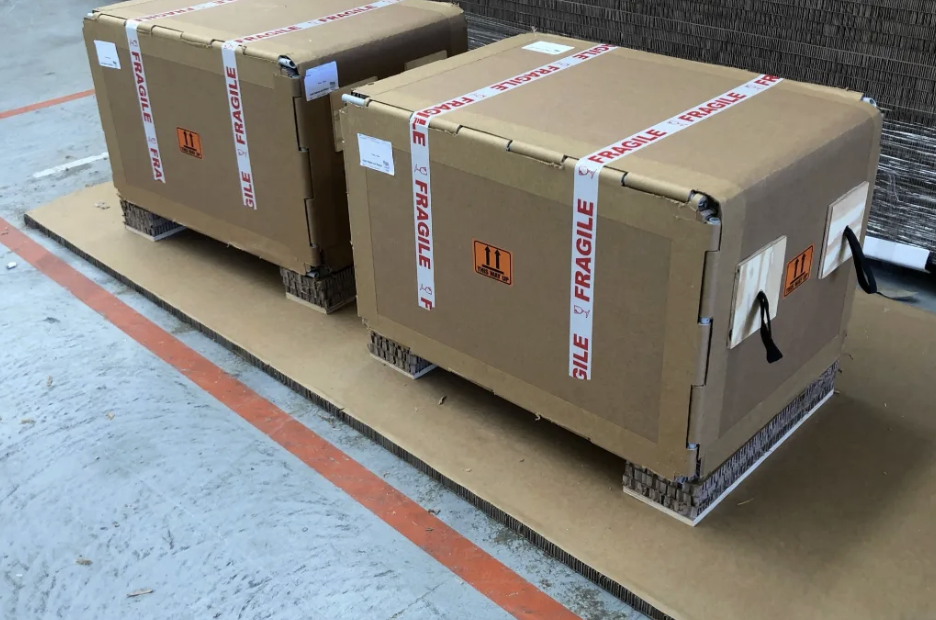
Every honeycomb board application starts with design choices that influence how it performs in transit or on site:
- Board thickness (from 5mm through to 100mm+)
- Load distribution and compression requirements
- Span and support spacing
- Shock and vibration exposure
- Integration with crates, pallets and internal supports
When honeycomb board is designed and manufactured locally, these decisions aren’t theoretical. They’re made alongside production teams who understand how the material behaves once it’s cut, assembled, stacked and handled.
That design-to-manufacture feedback loop is difficult to achieve when products are imported or treated as off-the-shelf inputs.
Faster Turnaround Without Compromising Specification

In real logistics environments, conditions change quickly:
- Delivery timelines shift
- Specifications evolve
- Replacement packaging is required urgently
Locally manufactured honeycomb board allows businesses to respond without diluting performance. Custom sizes, thickness adjustments, CNC cutting and internal support modifications can be produced without the long lead times or rigid minimum orders that often accompany offshore manufacturing.
For operations teams, this means fewer compromises, lower risk and faster problem-solving when timelines tighten.
Learn more about custom honeycomb board sheets, thickness options and CNC cutting: https://rebul.com.au/honeycomb-board-sheets
Consistency Across Repeat Orders and Reuse Cycles
Many honeycomb applications are designed for repeat use, particularly in:
- Reusable crate systems
- Modular transport packaging
- Tradeshow and relocation logistics
- Warehouse and internal handling
Consistency matters. Boards need to perform the same way every time, not just on the first shipment.
Local manufacturing allows tighter control over:
- Core density
- Compression strength
- Dimensional accuracy
- Reinforcement and bonding
This consistency is essential when honeycomb board forms part of a reusable system, where performance degradation can lead to damage, inefficiency, or premature replacement.
Better Integration With Internal Packaging Systems
Honeycomb board rarely works alone. Its performance improves significantly when integrated with:
- Custom internal supports
- Void fillers
- Load restraint components
- Pallet bases and feet
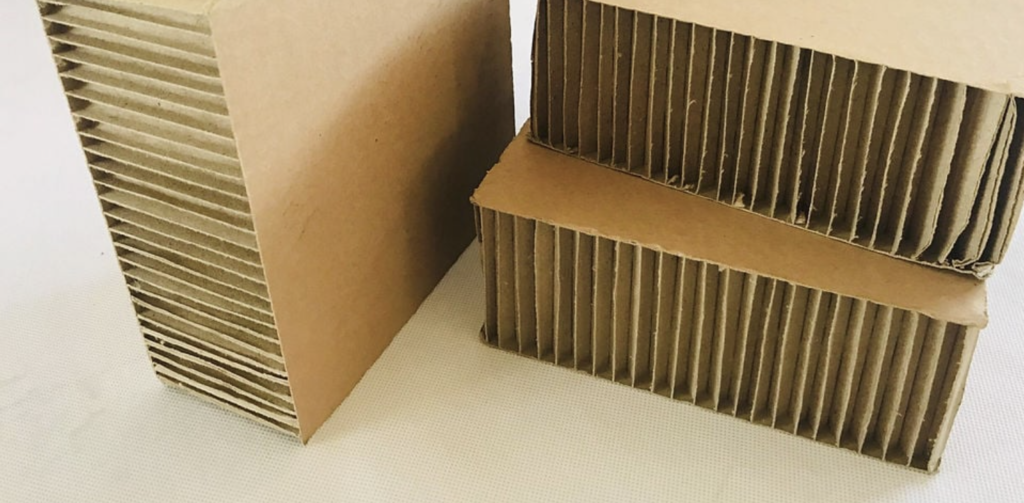
When these components are designed and manufactured locally, they can be engineered as a complete system, rather than separate parts forced to work together.
This systems-based approach improves:
- Load stability
- Shock absorption
- Assembly efficiency
- On-site handling safety
Explore engineered internal packaging supports designed to reduce damage:
https://rebul.com.au/internal-packaging-support-reduce-damage
Reduced Risk in Export and Interstate Logistics
For businesses shipping interstate or internationally, packaging reliability isn’t optional.
Locally manufactured honeycomb board offers advantages that matter in export environments:
- ISPM-15 compliance without fumigation
- Predictable performance under stacking and compression
- Lightweight construction that reduces freight costs
- Clean, non-abrasive surfaces that protect sensitive goods
When design, manufacturing and quality control happen locally, compliance and performance aren’t left to assumption, they’re verified before dispatch.
When Manufacturing Location Becomes a Competitive Advantage
Many suppliers distribute honeycomb products Australia-wide. Fewer manufacture them locally.
Local manufacturing enables:
- Direct collaboration between engineers, designers and production teams
- Rapid prototyping and iteration
- Customisation at scale
- Reliable lead times for complex specifications
For businesses that rely on packaging to protect revenue, reputation and operational flow, these advantages compound quickly.
Learn more about custom honeycomb crates and engineered transport solutions: https://rebul.com.au/rebul-crate/
Honeycomb Board That’s Engineered, Not Just Supplied
When honeycomb board is treated as a commodity, its potential is limited. When it’s engineered and manufactured locally, it becomes a high-performance load-management material capable of solving complex transport, packaging and structural challenges.
From design accuracy and manufacturing control to delivery speed and repeat performance, locally manufactured honeycomb board delivers benefits that extend well beyond sustainability claims.
Ready to Talk Through Your Application?
If you’re designing crates, internal supports, void fillers, or pallet systems and need predictable performance, Rebul’s locally engineered honeycomb board solutions can be tailored to your exact requirements.
Talk to the team or request a quote
Honeycomb Board FAQs (Frequently Asked Questions)
What is honeycomb board used for in packaging?
Honeycomb board is used for transport packaging, internal supports, void filling, pallet bases and load reinforcement. Its strength-to-weight ratio and shock-absorbing structure make it ideal for protecting high-value or fragile goods.
Why does local manufacturing matter for honeycomb board?
Local manufacturing allows tighter control over board thickness, load performance and dimensional accuracy, while enabling faster turnaround and easier customisation.
How strong is honeycomb board?
When engineered correctly, honeycomb board can support high compression loads and absorb impact during transport. Performance depends on thickness, density and system integration.
Is honeycomb board suitable for export shipping?
Yes. Honeycomb board is lightweight, shock-absorbing and ISPM-15 compliant, meaning it can be used for export without fumigation.
Can honeycomb board be customised?
Yes. Honeycomb board can be manufactured in custom thicknesses (typically 5mm–100mm+), sizes and CNC-cut shapes to suit specific applications.