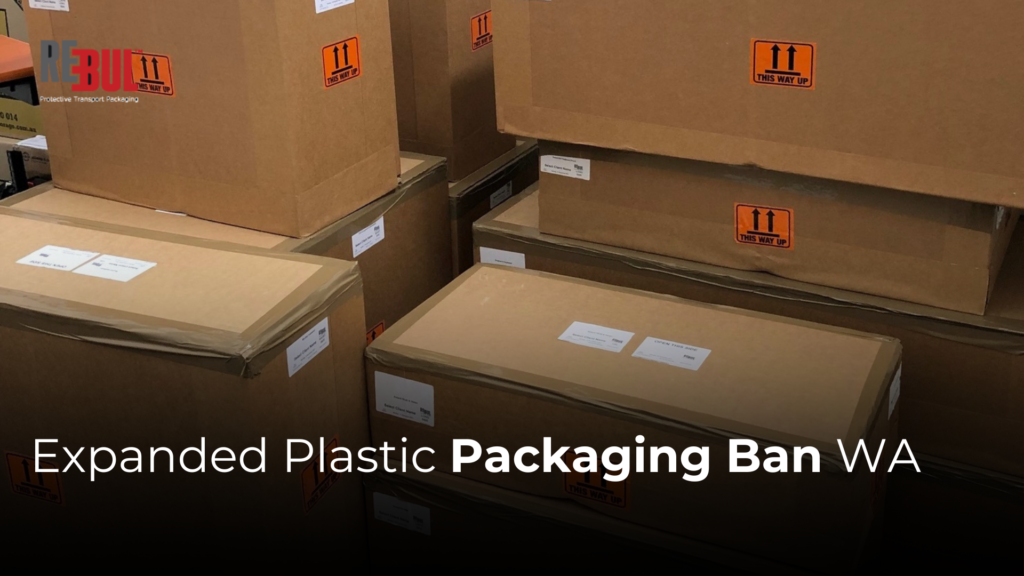
Western Australia is taking bold action against plastic waste. From 1 July 2025, moulded or cut expanded plastic packaging, including expanded polystyrene (EPS), expanded polyethylene (EPE), expanded polypropylene (EPP), and similar materials, will be banned under Stage 2 of WA’s Plan for Plastics.
This builds on the earlier ban on loose-fill expanded plastic packaging (like packing peanuts) from September 2023. Businesses supplying or using these materials for products manufactured after 1 March 2025 must comply or face penalties. Exemptions exist (e.g. for very heavy items over a certain weight or specific fragile goods), but most manufacturers, suppliers, and retailers need viable alternatives now.
At Rebul Packaging, we help Australian businesses transition smoothly with high-performance, eco-friendly protective packaging that matches or exceeds the protection of traditional expanded foams while being fully recyclable and plastic-free.
Why the Ban Matters: The Environmental Impact of Expanded Plastic Packaging
Expanded plastics like EPS (commonly known as Styrofoam) are lightweight and insulating but create long-term problems:
They are difficult to recycle effectively in many streams and often end up in landfill or as litter.
They break down into microplastics that harm wildlife and potentially enter the food chain.
Production relies on fossil fuels, contributing to carbon emissions.
WA’s Plan for Plastics promotes the waste hierarchy: avoid single-use plastics, choose reusables where possible, and opt for recoverable, recyclable, or compostable alternatives.
Switching now future-proofs your supply chain, reduces environmental footprint, and appeals to increasingly eco-conscious customers and stakeholders.
Effective Alternatives to Expanded Plastic Packaging
One of the most common misconceptions around custom crates is that more material equals more protection.
In reality, overbuilding creates new problems:
Here are proven, high-performance options suitable for protective and transport packaging:
Honeycomb Board and Paper-Based Inserts (Top Recommendation)
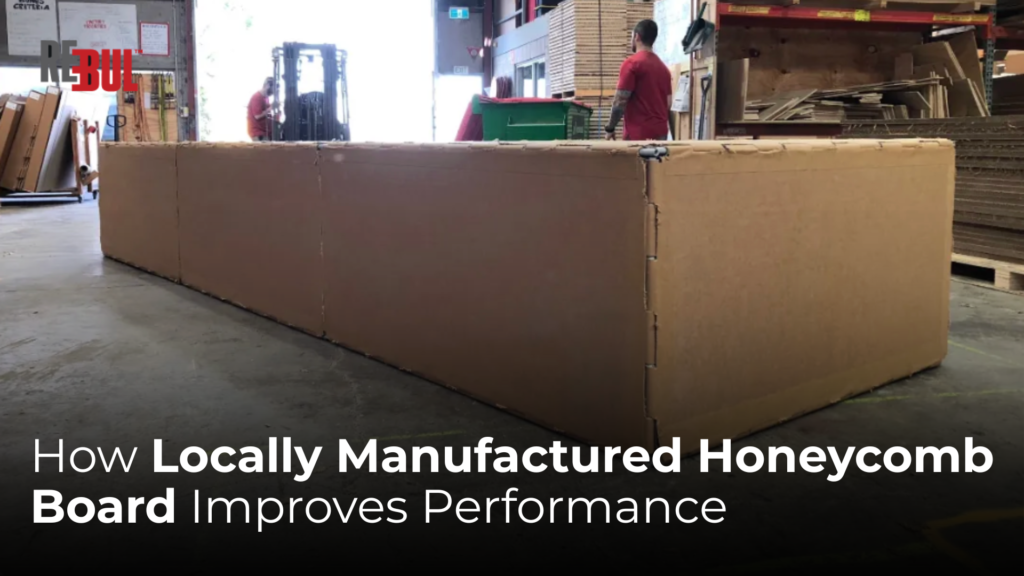
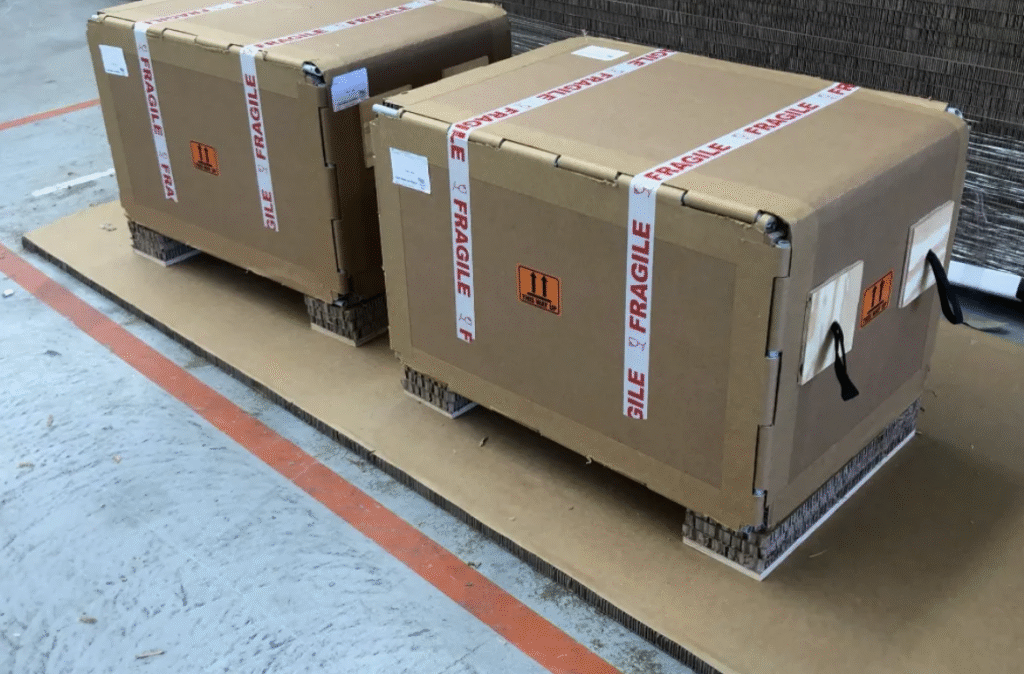
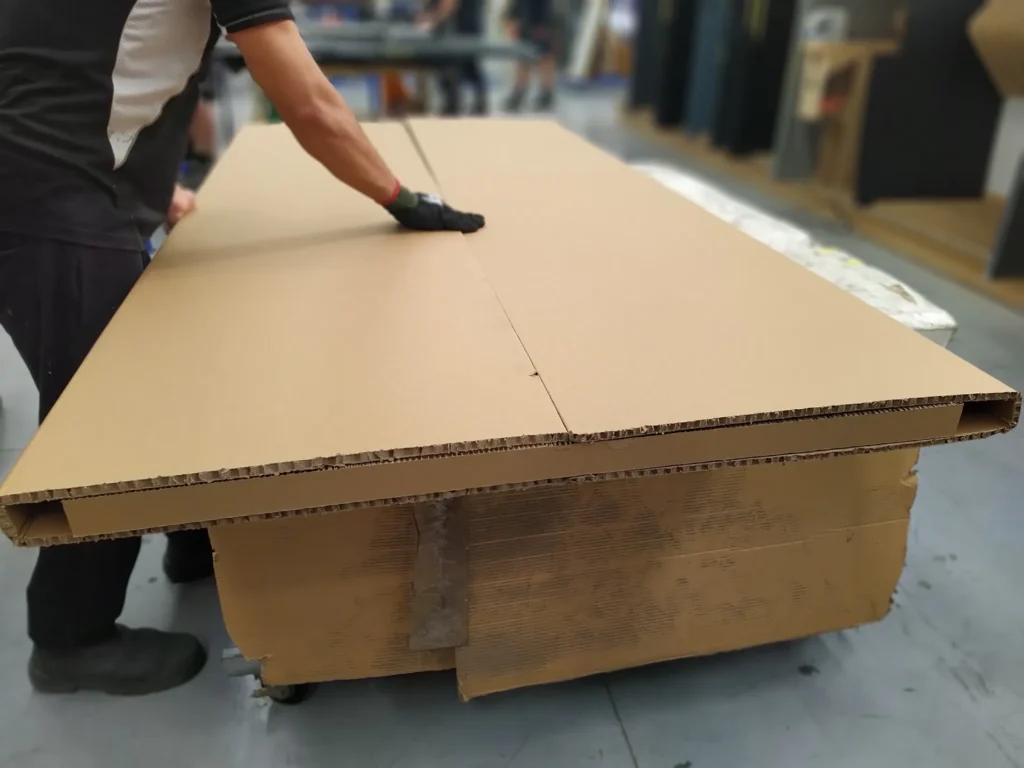
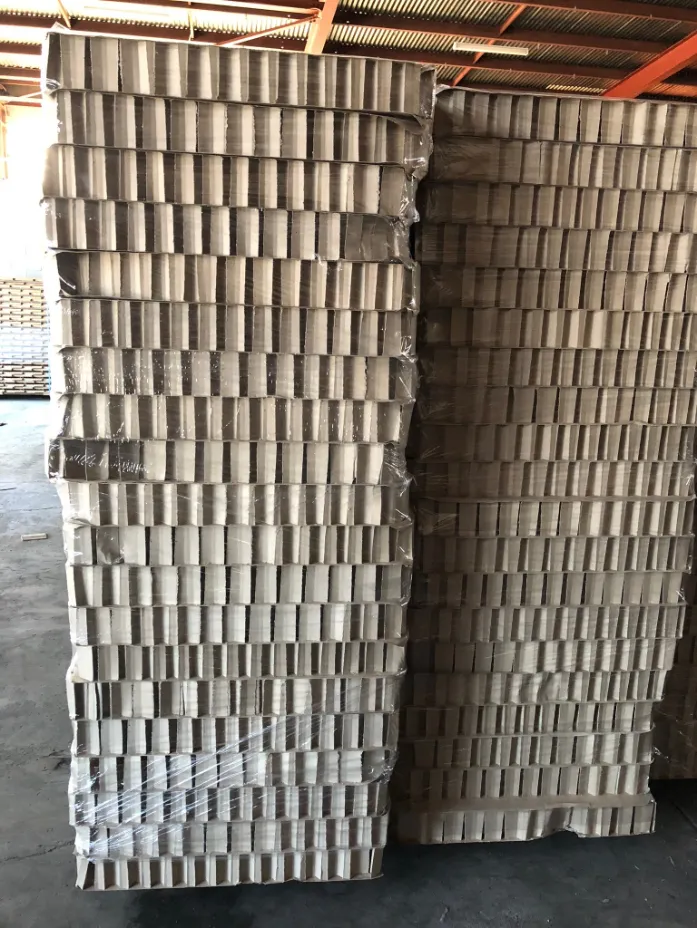
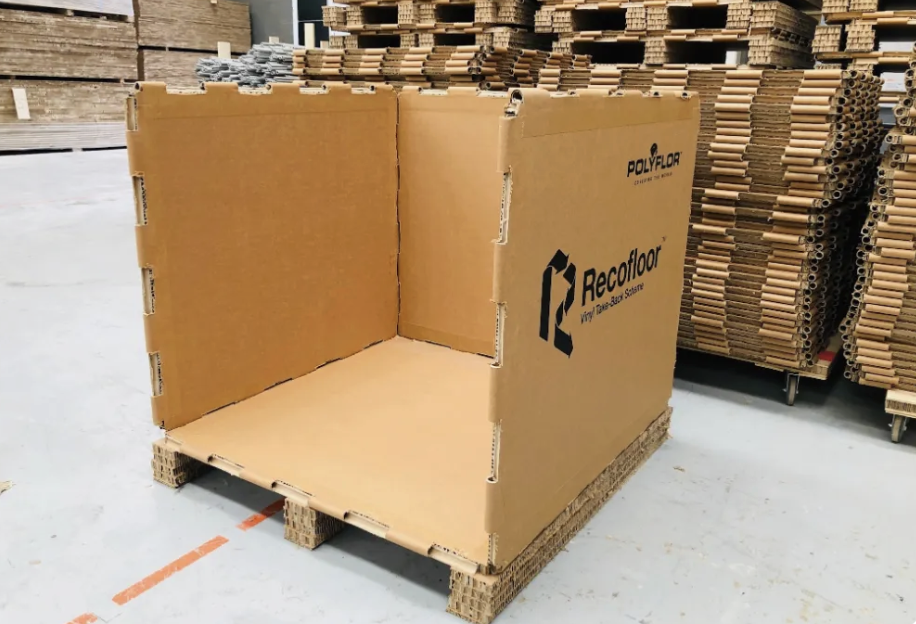
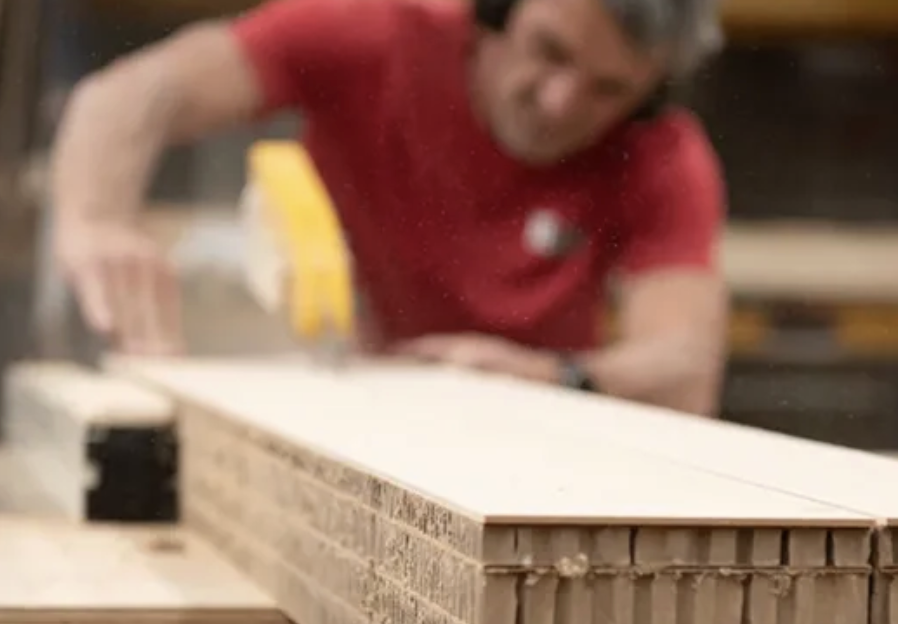
Honeycomb board is a standout sustainable alternative. Made from recycled or responsibly sourced paper, it forms a strong, lightweight hexagonal structure that provides excellent cushioning and impact resistance — often comparable to or better than EPS for many applications.
Benefits:
- 100% recyclable and curbside recyclable in most areas.
- Significantly lighter than many alternatives, reducing shipping costs and emissions.
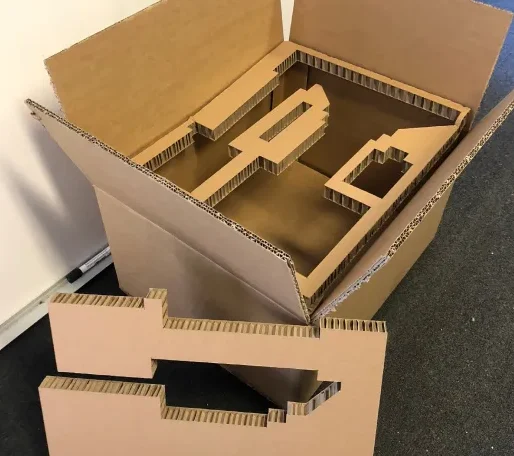
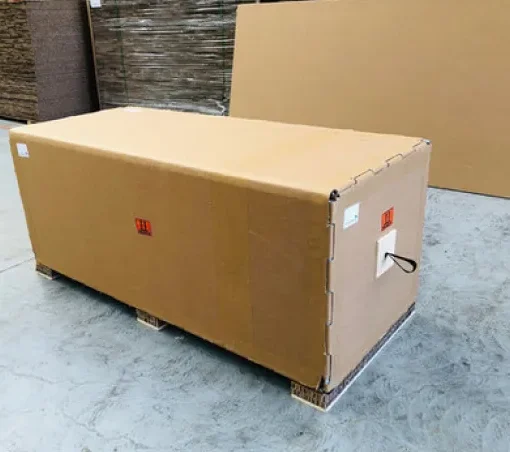
- Customisable into boards, crates, boxes, corner protectors, and inserts.
- Strong compression strength for stacking and long-haul transport.
- Plastic-free and renewable.
Rebul specialises in Australian-made honeycomb solutions for delicate, valuable, or heavy items. Our custom designs protect everything from electronics and artwork to machinery and furniture.
Molded Pulp / Molded Fiber
Made from recycled paper or plant fibers (e.g., bagasse from sugarcane), molded pulp can be shaped into custom protective inserts, trays, or end-caps. It offers good shock absorption and is compostable or recyclable.
Corrugated Cardboard with Custom Fittings
Advanced corrugated designs with honeycomb or die-cut inserts provide robust protection. Easy to source, recyclable, and highly versatile for void fill and bracing.
Other Innovative Options:
Mycelium (Mushroom-based) Packaging: Grown from agricultural waste and mycelium; fully biodegradable and compostable. Excellent for cushioning.
Starch-based or Biodegradable Foams/Peanuts: For void fill (where appropriate).
Air-filled Paper Cushions or Crinkle Paper: Sustainable void fill alternatives.
Recycled Content Protective Mailers and Wraps.
For thermal insulation needs (e.g., food or pharma), explore paper-based insulated boxes or other certified sustainable materials.
Rebul Packaging: Your Partner for Compliant, High-Performance Solutions
As Australia’s experienced manufacturer of eco-friendly honeycomb board, Rebul delivers custom protective packaging that prevents transport damage while meeting strict sustainability standards. Our solutions are:
- Designed and made in Australia for local conditions.
- Optimised for strength, lightness, and cost-efficiency.
- Ideal for interstate and international shipping of valuable or fragile goods.
- Fully customisable – from simple inserts to complete crates and boxes.
Businesses using our honeycomb solutions report reduced damage rates, lower shipping weights, and easier compliance with environmental regulations. We help you transition away from expanded plastics without compromising on protection.
Benefits of Switching to Sustainable Packaging
Regulatory Compliance: Avoid fines and disruptions post-July 2025.
Cost Savings: Lighter packaging can lower freight costs; recyclable materials may qualify for rebates or improved waste management.
Brand Reputation: Demonstrate environmental leadership to customers, especially in WA and across Australia.
Supply Chain Resilience: Reduce reliance on problematic materials facing increasing bans nationwide.
Performance: Modern paper-based solutions like honeycomb often provide superior tailored protection.
How to Prepare for the Ban
- Audit Your Current Packaging – Identify where expanded plastics are used.
- Test Alternatives – Request samples from Rebul for drop, vibration, and stack testing.
- Design Custom Solutions – Work with experts for fit-for-purpose protection.
- Update Suppliers and Documentation – Ensure new packaging meets evidence requirements for compliance.
- Communicate the Change – Highlight your sustainability efforts in marketing.
Make the Switch Today with Rebul
The ban is in place already. Don’t wait until enforcement begins – proactive businesses are already reaping the benefits of sustainable packaging.
Contact Rebul Packaging today for a consultation, samples, or custom design. Our team will help you find the smartest, strongest, and most sustainable solution for your products.
Protect your goods. Protect the planet.
Visit rebul.com.au or talk to our team: https://rebul.com.au/contact-us/
Rebul Packaging – Sustainable protective solutions for a plastic-free future.
National Context and Future Expectations
Australia has a National Plastics Plan and harmonisation efforts through bodies like the Australian Packaging Covenant Organisation (APCO). All states are committed to phasing out problematic plastics, with expanded polystyrene (EPS) repeatedly highlighted as a priority due to its poor recyclability and litter impacts.
While there is no uniform national ban, trends point toward:
- Wider adoption of restrictions on EPS foodservice and loose-fill.
- Potential expansion to moulded protective packaging in other states, following WA’s lead and national harmonisation goals.
- Increasing pressure on businesses for sustainable alternatives nationwide, driven by environmental targets, consumer demand, and supply chain consistency.
Many businesses are adopting plastic-free alternatives (e.g., honeycomb board, moulded pulp) proactively to future-proof operations across all states.
For the most accurate advice, check official government sites for your state (e.g., EPA NSW, Sustainability Victoria, etc.), as rules can evolve. At Rebul Packaging, we help businesses across Australia transition with compliant, high-performance honeycomb and paper-based solutions regardless of location.
If you’re in a specific state or have particular products in mind, feel free to provide more details for tailored guidance and have a chat with our team today.
Expanded Plastic Packaging Ban FAQs (Frequently Asked Questions)
Current Status Across States (as of mid-2026)
Western Australia: The broadest ban. It specifically targets **moulded or cut expanded plastic packaging** for protection, cushioning, or insulation. Loose-fill was banned earlier (2023). This is unique in its scope for industrial/protective uses.
New South Wales (NSW): Strong bans on EPS food service items (cups, clamshells, trays). Plans or discussions exist for phasing out loose-fill and moulded/cut expanded plastic packaging (including for non-food uses), with NSW Plastics Plan 2.0 referencing these as priorities for future regulation. Not as far along as WA for broad protective packaging.
Victoria (VIC): Bans on EPS food and drink containers are in place. Alignment with national efforts; some movement toward broader restrictions, but no full equivalent to WA’s moulded protective packaging ban yet.
South Australia (SA): EPS cups, bowls, and food packaging restrictions (including removal of exemptions for pre-packaged items in 2025). Focused more on consumer/food items.
Queensland (QLD): Bans on EPS loose-fill (peanuts) and food service items. Broader single-use plastic restrictions, but protective moulded packaging is less comprehensively covered than in WA.
Other states/territories (ACT, Tasmania, NT): Varying levels of EPS foodware and loose-fill bans. Tasmania and NT have proposals or timelines aiming for 2025+ alignment with national targets.
What is the expanded plastic packaging ban in WA?
Western Australia’s expanded plastic packaging ban restricts the supply of moulded or cut expanded plastic packaging, including EPS, EPE, EPP and similar foamed plastics. The ban applies from 1 July 2025, with compliance required for many products manufactured from 1 March 2025 onward.
What packaging materials are affected by the WA ban?
The ban affects moulded, cut or shaped expanded plastic packaging used for protection, cushioning or insulation. This includes expanded polystyrene, expanded polyethylene, expanded polypropylene and similar foamed plastic materials.
What are the best alternatives to EPS packaging?
Some of the best alternatives to EPS packaging include honeycomb board, paper-based inserts, moulded pulp, corrugated cardboard fittings and other recyclable protective packaging solutions.
Is honeycomb packaging a good alternative to expanded plastic?
Yes. Honeycomb packaging is lightweight, strong, recyclable and customisable, making it a strong alternative to expanded plastic packaging for many products that need protection during storage, handling and transport.
Can Rebul Packaging help businesses replace expanded plastic packaging?
Yes. Rebul Packaging designs and manufactures Australian-made honeycomb board and paper-based protective packaging to help businesses transition away from expanded plastics while maintaining product protection.